

Introduction to this Webbook
A Peasant History leads us in 168 stories through the world’s history, seen through the eyes of peasants. Oppression, resistance, dreams of a small farm of one’s own, the harsh realities of war and migration, deep sorrow over love lost, happiness from a fine harvest – all sorts of situations are addressed. We meet crop farmers, fishermen, folk heroes, farm girls, small children, old women, shepherds and pioneers. The whole many-coloured, diverse peasant world unfolds before our eyes in stories of bygone times, the tumultuous twentieth century, or the most modern times. From Senegal to Australia and Hungary, from Turkey to Japan and Mexico.
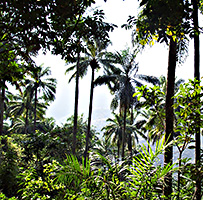
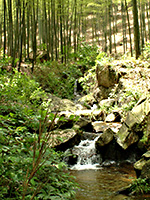
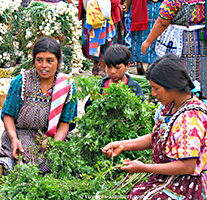
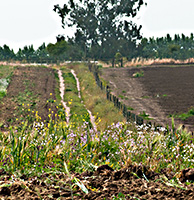
Every story refers to a fine novel or movie, so that you can continue reading or watching whenever you like. Next to every story you will find two large pictures, to make it easy to feel yourself in the area where the story takes place.
My special thanks go to Marcia Tiede and Margaret Weidner for their careful correcting of the English stories. And to Jules Pretty for his encouragement.
Happy reading!
Jan Paul Smit
“What a most splendid collection! Jan Paul Smit offers a kaleidoscopic image of peasant life over the centuries, and in various continents. At the same time the webbook is a vital reference work: it gives a useful overview of films, books and short stories that inform about peasant life. For enthusiasts, but also an information source for educators, which they wouldn’t like to miss.” ~ Jan Douwe van der Ploeg, Professor of Agriculture, the Netherlands and China.
“A Peasant History is an impressive and original mosaic, linking peasant stories to movies and novels. It creates deep understanding of peasant life, and the many challenges that they face. Well worth to dive into, and get carried away.” ~ Henk Hobbelink, Coordinator GRAIN.
“A Peasant History is a fine and quite remarkable resource, showing just how patterns of rural life repeat and echo across the ages and over many different countries and agroecosystems. On the one hand, it is painful to see how little we might have learned in a thousand years; on the other it is touching to see humanity shine through so clearly. Highly recommended.” ~ Jules Pretty, Professor of Environment, England.
_______________________
1. Egypt – around 2050 BCE
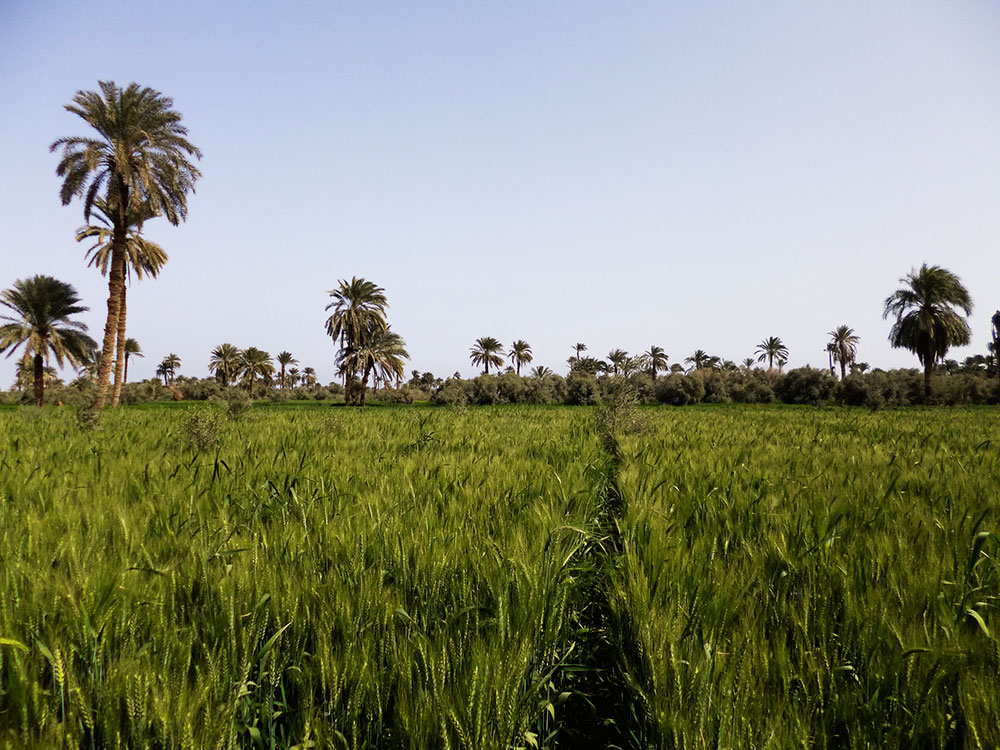 Egypt.
The poor peasant and the magistrate
“It is your duty to defend justice. But what are you doing? You allow injustice, you let it spread. It doesn't matter to you that a poor man is robbed."
Read more
_______________________
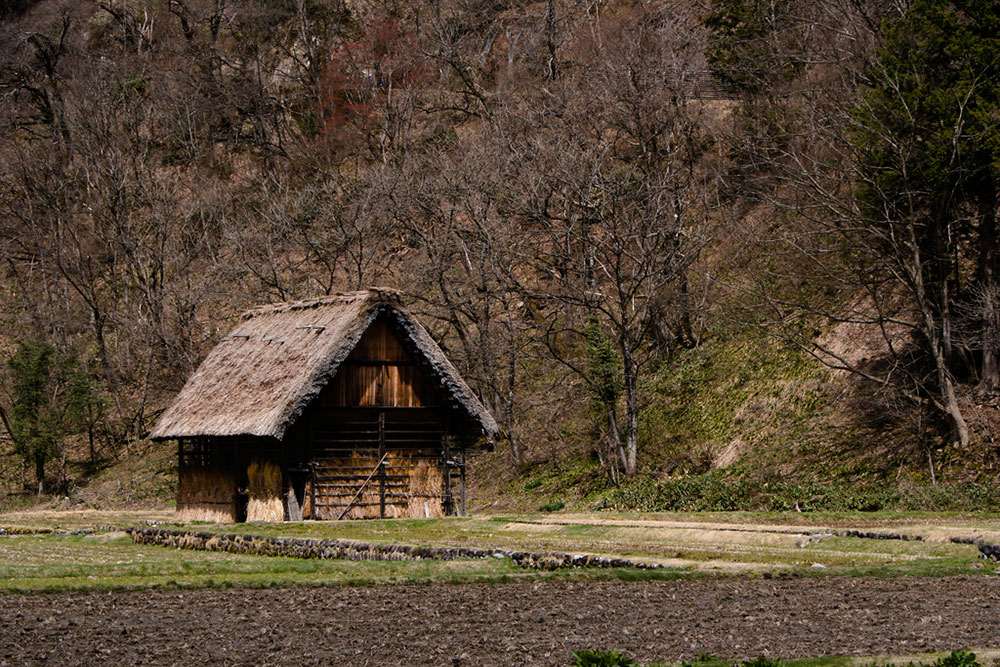
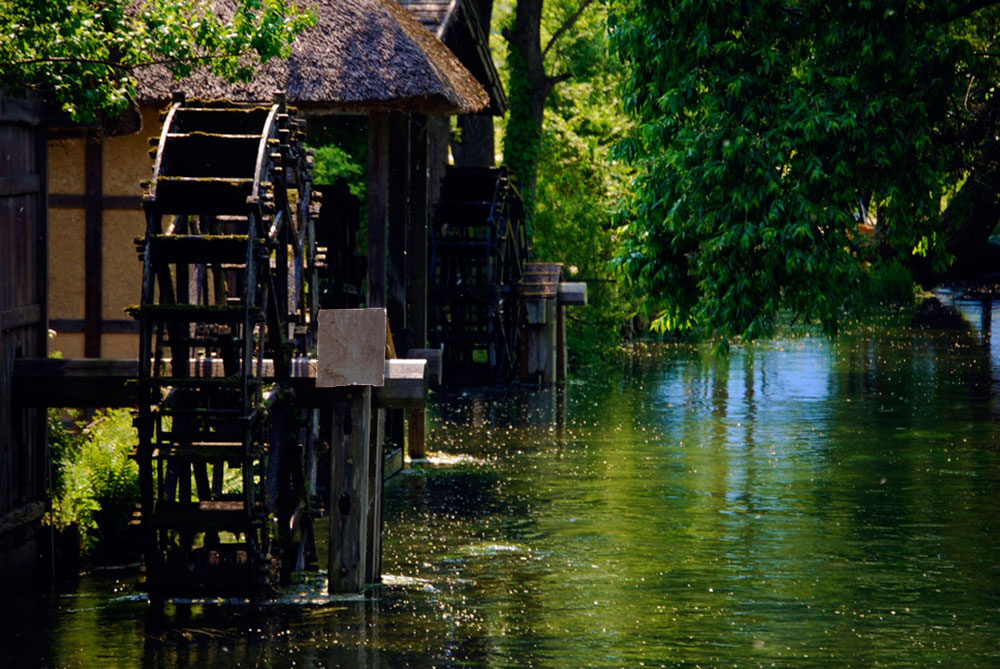
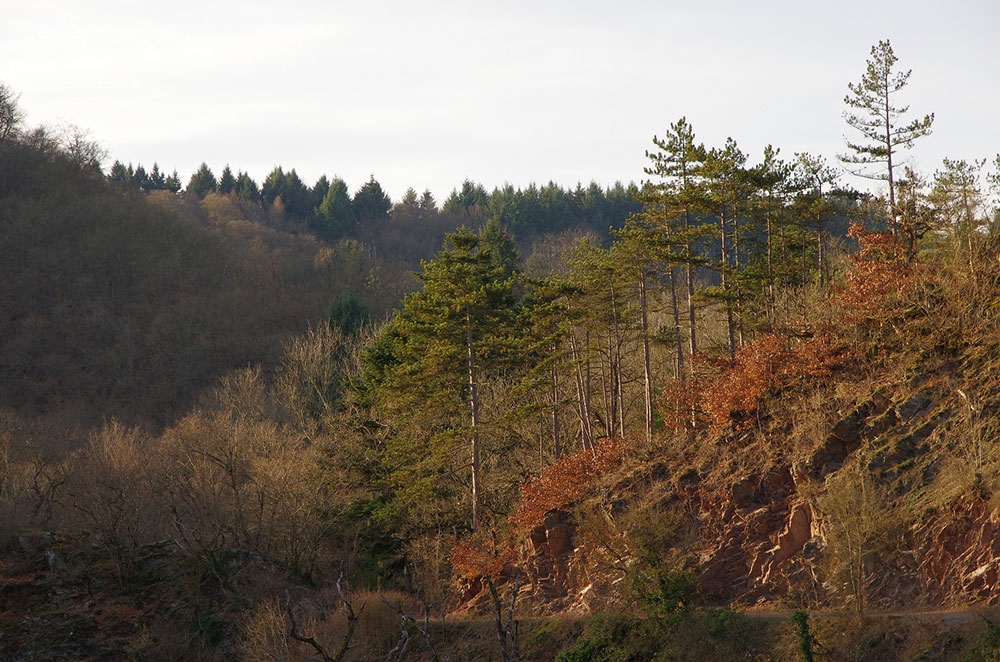
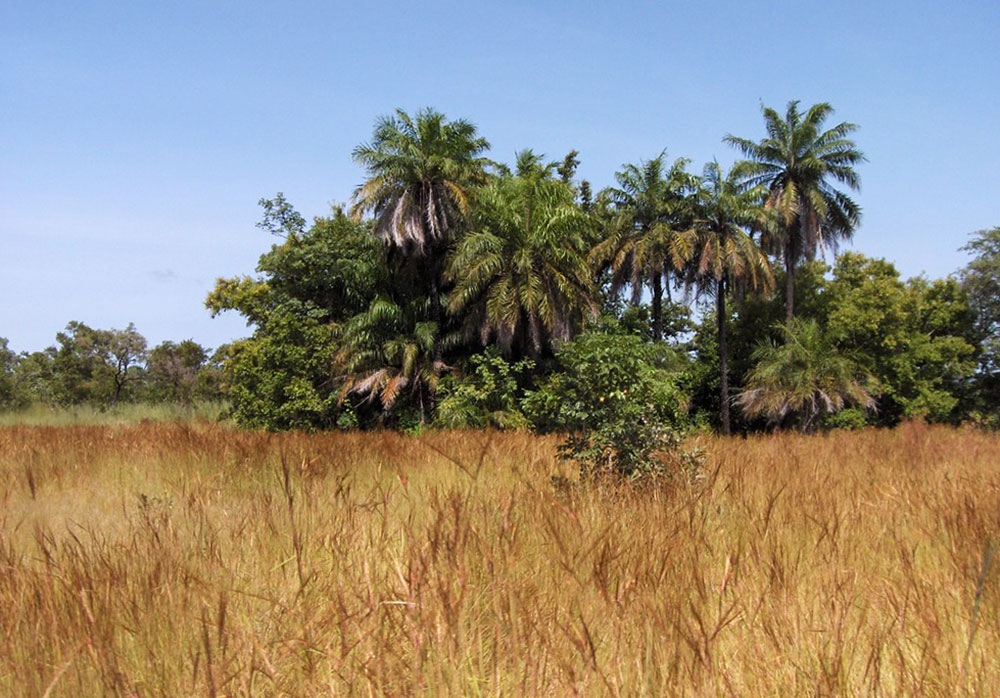
The photos are not illustrations
of the story.
They show the landscape where the story takes place.
_______________________
2. Nottinghamshire, England – 1195
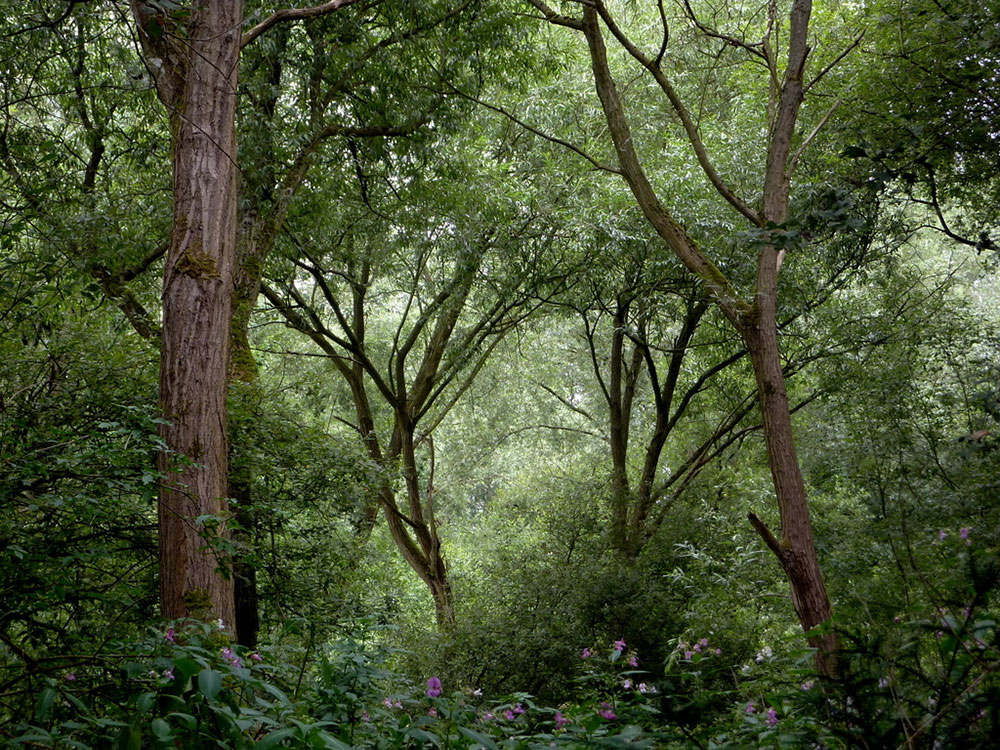 Nottinghamshire.
'The forest is large enough for a secret army'
“Just my awful luck! I had just shot a deer in the middle of the forest, and here came a little band of nobles. Naturally, escorted by a group of soldiers, otherwise they don't dare to come here."
Read more
_______________________
3. Mali – 13th century
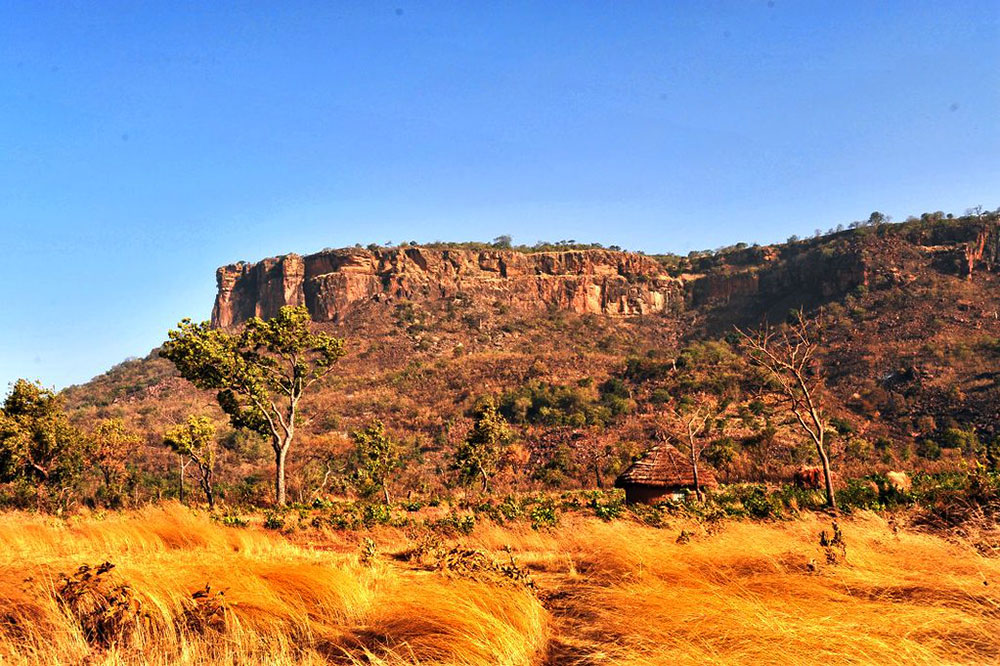 Mali.
Mali.Father and son
Carefully Nianankoro takes the big calabash bowl with both hands. Slowly, he moves it back and forth, looking into the rippling water. Worriedly, he says, “Mother, Father is not far away.”
Read more
_______________________
4. Karaburun, West Turkey – about 1400
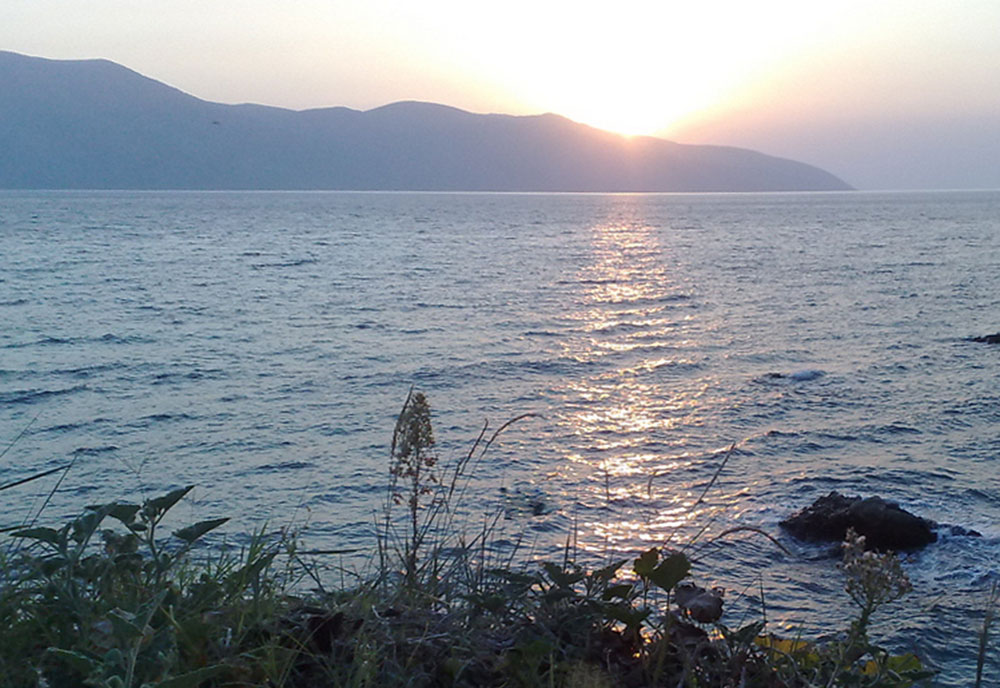 Karaburun.
The poet dreams
About 1930 Nâzim Hikmet is imprisoned, because he writes poems which make poor Turks enthusiastic and the government angry. It is already late, and Hikmet is the only one in the room who is still awake.
Read more
_______________________
5. A village on Java, Indonesia – early sixteenth century (1)
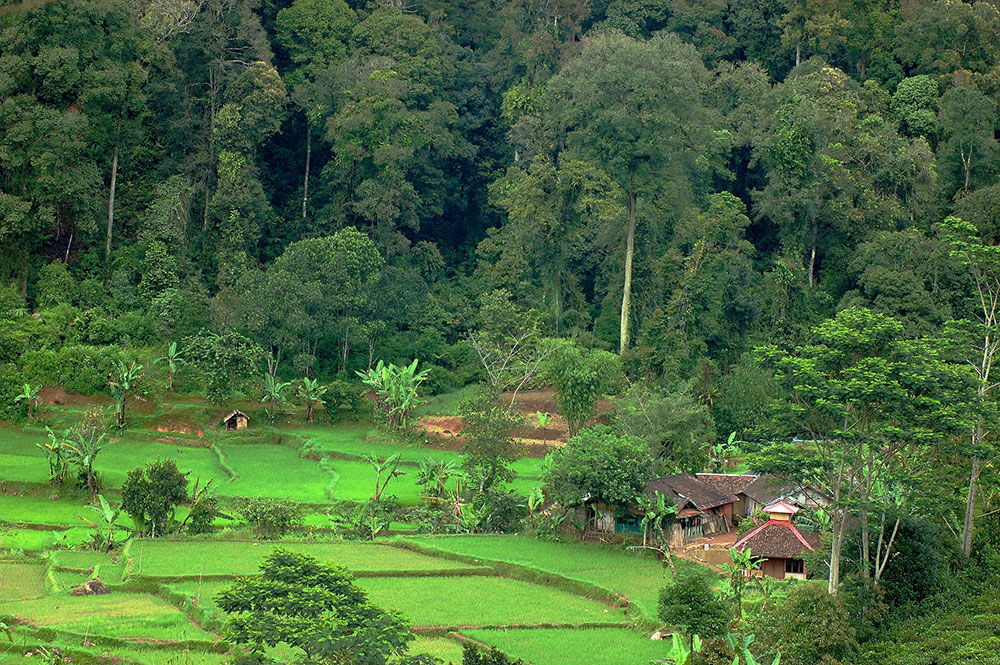 Java.
Java.Decline of the empire
“Why do you pay taxes to the Adipati (ruler) of Tuban? What do you get in return for it?” Challengingly Rama Cluring looks around in the village hall of Awiskrambil.
Read more
_______________________
6. Tuban, Java, Indonesia – early sixteenth century (2)
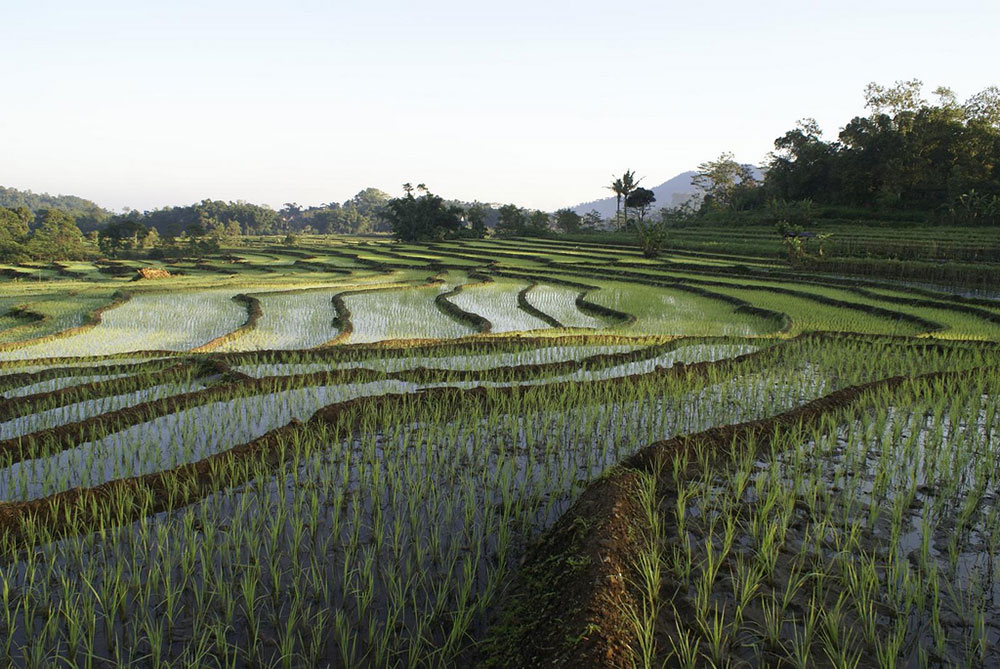 Java.
Java.Challenging the sovereign
Idayu sits on her knees in the dust. Humbly she bows her head deeply, touching the ground. She sits in front of the Adipati (sovereign) of Tuban on his golden throne.
Read more
_______________________
7. A small village in Japan – sixteenth century
 Japan.
Blinded
“Don't do it, Genjurō, think of me, think of Genichi, our little son. Stay with us. What will become of us, when the enemy soldiers come? Who will protect us? Who will help us to escape?”
Read more
_______________________
8. A Japanese village – 1586
 Japan.
The old samurai
“Oh, how happy the farmers are, how they sing while planting out the rice paddy,” Kambei Shimada muses, sitting on the burial mound of the village. Four of his comrades are buried there.
Read more
_______________________
9. A forest in Rhineland-Palatinate, Germany – about 1630
 Rhineland-Palatinate.
Simplicissimus
Dear reader, I am of most humble origins. But, as you can see, I still managed to learn to write. I will tell how this happened. As a child, I lived at a small farm in the middle of the forest.
Read more
_______________________
10. A village in Senegal – around 1700
 Senegal.
The courage of the Ceddo
“I will not take another step, unfasten my hands immediately. You think you can tie me up like a slave? I am Dior Yacine, princess Dior Yacine.”
Read more
_______________________
11. Haiti – around 1785 (1)
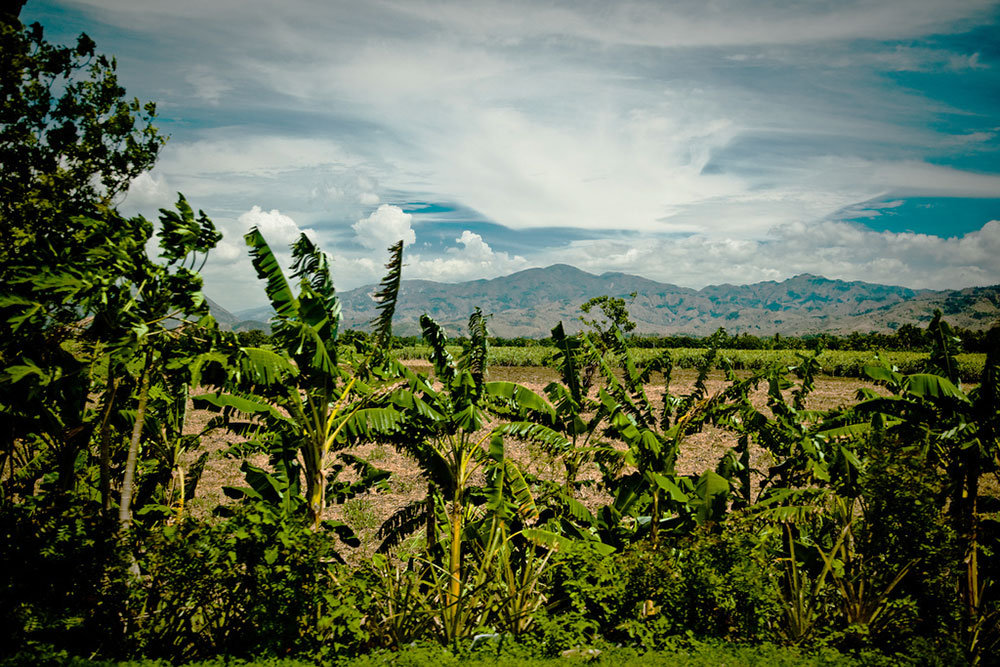 Haiti.
The poison
A mysterious poison is spreading across the plain. It began at the farm of Monsieur Lenormand de Mézy. All of a sudden, two beautiful French dairy cows fell on the ground.
Read more
_______________________
More
12. Roast chestnuts - a village in Berry, in the centre of France – around 1790
13. Little Fadette chuckles - a village in Berry, in the centre of France – around 1792
14. Land surveyors - Haiti – around 1835 (2)
15. The angel and the sailing ship - a valley in Ireland – 1846
16. 'Narayama is waiting for us' - a remote mountain village in Japan –
in the 19th century - film
17. Praise poets – South African villages – nineteenth century
18. Black or white? - Queensland, North Australia – about 1860
19. 'He is not your enemy' - a village in Liberia – around 1860 (1)
20. Bison hunting - Prairie in Colorado, United States – 1863 (1)
21. The holy forest desecrated - Prairie in Colorado, United States – 1863 (2)
22. Almost drowned - a village in Victoria, Australia – 1866 (1)
23. 'What a miserable damn life!' - a fishing village on the coast of Sicily, Italy – 1867
24. Little Joey - a remote hamlet in Wyoming, United States – around 1870 - film
25. Birth party - New South Wales, Australia – 1879 (2)
26. The crossing - a river in Iceland – 1879
27. Silver lining - a small village in Massachusetts, United States – 1884
28. 'We will drive out the whites now!' - a village in South-east Nigeria – around 1885
29. Bandits and assassins - a village in the north of Mexico – around 1890 - film
30. There is war in the air - a village in Liberia – around 1890 (2)
31. Cricket, a children's game? - a village in Gujarat, India – 1893 - film
32. The reindeer - a remote farm in the marshlands of Iceland – 1899 (1)
33. Fear - Scheveningen, the Netherlands – 1900
34. Peasant Nand on his deathbed - Flanders, Belgium – about 1900
35. Famine - Anhui Province, China – around 1900 (1)
36. Poor people in the big city - Anhui Province, China – around 1900 (2)
37. The fur trapper - Siberia, Russia – 1902 - film
38. Two hundred guilders in advance - a village in Friesland, the Netherlands – 1902
39. Piano tuner - Norway – 1906
40. Weeding the flax field - a village in Flanders, Belgium – 1907
41. First farm-maid, then woman farmer - a small mountain village in Austria -
around 1910 - film
42. The icy cold water - a small Hutsul village in the Carpathians, Ukraine - around 1910 - film
For more stories go to the Table of Contents.
Last update: September 2020.